Qantas Classic Reward sweet spots: routes, points and costs
Last updated
Check which reward table applies before judging a route by its points price. These examples connect published chart rates with the checks needed for a bookable trip.
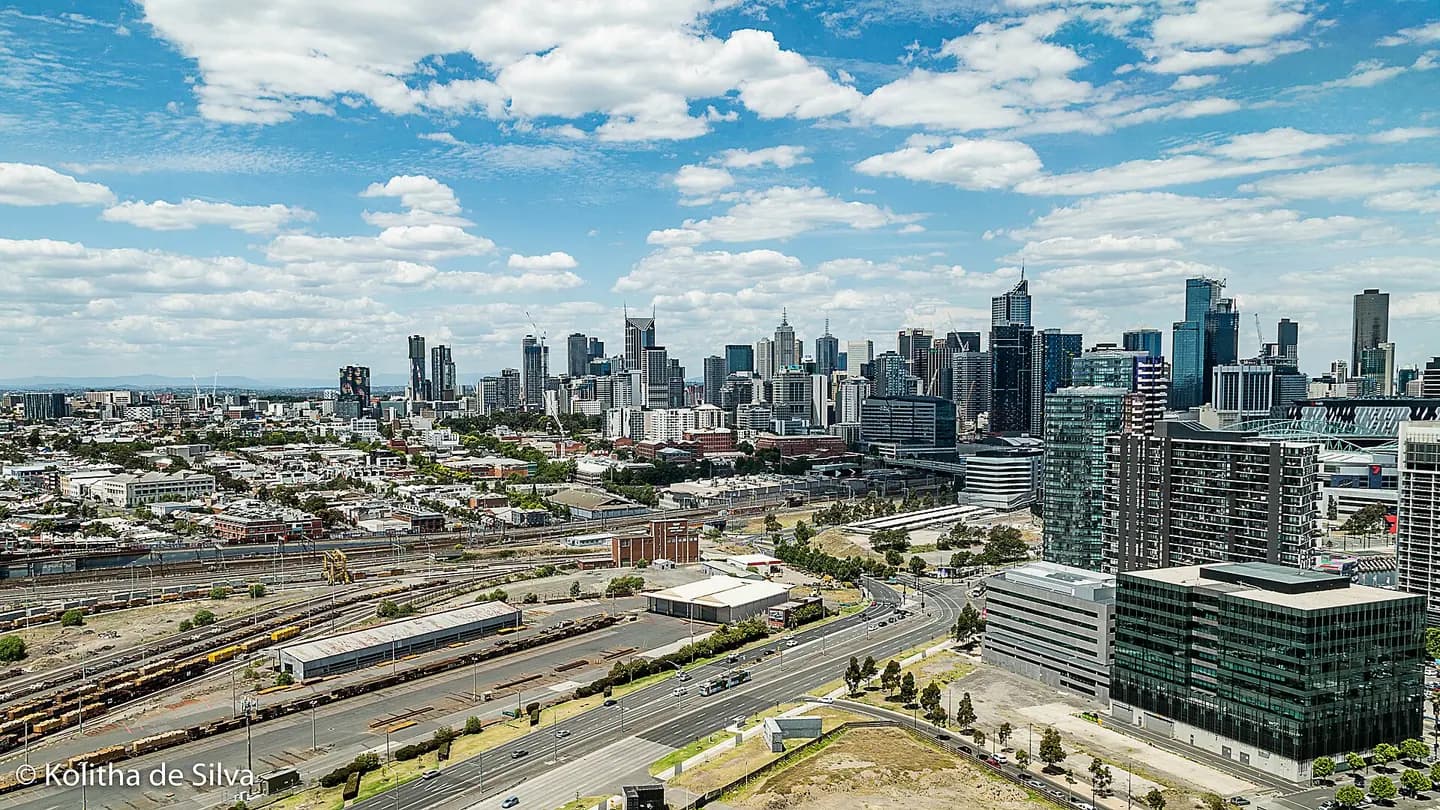
Melbourne is one of the domestic destinations used in the chart examples below. Check seats and cash charges for your own dates.
Photo: Kolitha de Silva · CC BY 2.0. Resized and converted to WebP; cropped in page layouts.
A useful Qantas redemption gets you somewhere you want to go at a points and cash cost you can accept. That might be a short flight for a family visit, a cross-country trip or a business-class seat on an overnight flight. The most impressive cabin is not always the best use of your balance.
Start with the trip, then check the chart and the available seats. The examples below show how to build a points budget before you search.
Four routes to put on your search list
These are chart illustrations checked on 9 September 2026, not observed booking availability. Distances are approximate nonstop calculations. Points are per person, one way, before taxes, fees and carrier charges.
| Nonstop illustration | Applicable table and distance band | Economy | Business |
|---|---|---|---|
| Sydney to Melbourne on Qantas | Qantas, 0 to 600 miles | 9,200 | 19,300 |
| Brisbane to Perth on Qantas | Qantas, 1,201 to 2,400 miles | 20,700 | 43,600 |
| Sydney to Singapore on Qantas | Qantas, 3,601 to 4,800 miles | 29,000 | 82,100 |
| Sydney to Tokyo Haneda on Japan Airlines | Partner, 4,801 to 5,800 miles | 43,500 | 108,000 |
The figures come from the current Qantas and Partner Classic Flight Reward tables. The applicable airline, itinerary and cabin matter. A connecting journey can price differently from the nonstop examples, and a chart row does not establish that a particular flight has reward seats.
Short domestic trips deserve a look. Sydney to Melbourne is about 438 miles. At 9,200 points in economy, a necessary trip can make sense when the cash fare is high. On a cheap sale fare, you may prefer to pay cash and keep the points. Qantas also uses Sydney to Melbourne as an example in its guide to the points calculator.
Brisbane to Perth is about 2,242 miles. The longer flight gives you more time to use the business-class seat, but the upgrade in comfort costs another 22,900 points each way under this illustration. Decide whether that difference matters more to you than another trip in economy.
Sydney to Singapore is about 3,911 miles. The economy return budget is 58,000 points per person; business is 164,200. Those totals make the trade-off easier to see before you start collecting points for the trip.
For Tokyo, keep the airline in the comparison. The Japan Airlines illustration uses the partner table. Do not apply a Qantas-operated price to every flight that can be booked with Qantas Points.
Classic, Classic Plus and a cash fare are separate options
Look for the full product label in the results. The table above describes Classic Flight Rewards. Classic Plus Flight Rewards use a different pricing approach, so a higher result on the same route does not automatically mean the Classic table has changed.
Keep three columns in your comparison: Classic, Classic Plus and the cash ticket you would buy. Record the departure time, cabin, baggage, cancellation conditions, points and cash charges for each. A convenient cash flight may be more useful than a reward booking that adds an overnight stop.
A return trip for two, worked through
Take the Sydney to Melbourne economy illustration. Two people travelling return need four one-way awards:
9,200 × 4 = 36,800 Qantas Points, plus the booking's cash charges.
Now use hypothetical cash inputs. Suppose the comparable paid tickets total A$900 and the reward booking needs A$240 in cash. The points avoid A$660, which is 1.79 cents per point: A$660 divided by 36,800, multiplied by 100.
If the reward option also adds A$100 of transport or accommodation that the cash flights avoid, the value falls to 1.52 cents per point. Those cash figures are teaching examples, not fares or fees we found in a live search.
A mixed-cabin trip changes the budget too. Business outbound and economy home would use 28,500 points per person, or 57,000 for two, using the same nonstop chart assumptions. Price both directions before deciding which cabin to book.
Use the award planner for two passengers to keep the passenger count and return journey together. The points value calculator handles the cash comparison; our points valuation guide explains how to choose a sensible cash alternative.
Search in an order that saves time
- Write down the dates, airports and number of travellers you can actually accept.
- Search for the whole party. One available seat does not establish availability for two or four people.
- Open each itinerary and check every sector's cabin. A business label on a connection deserves a closer look if the longest flight is in economy.
- Check the return before committing the outbound. Compare nearby dates only when they still work for your trip.
- Save the final points total, cash charges and change or cancellation conditions before ticketing.
Start with Qantas's flight reward search tool and follow through to the booking quote. The program terms govern the booking, including how an itinerary is assessed.
When your balance is short
Work out the full target before looking for more points. A headline bonus is only useful if you qualify, can meet its conditions through normal spending and receive the points in time. Our Qantas card comparison and earn-to-target tool can help you assess that gap.
If both programs cover your trip, compare the Velocity route examples as well. Keep the two currencies separate and judge each complete booking on its own costs.